Condo Air Conditioning Guide: How Cooling Works in a Toronto High-Rise
We know how frustrating a broken AC can be when the summer heat hits your high-rise. Condo AC Repair is completely different from fixing a unit in a detached house. A traditional home relies on a simple outdoor condenser and an indoor coil to keep things comfortable.
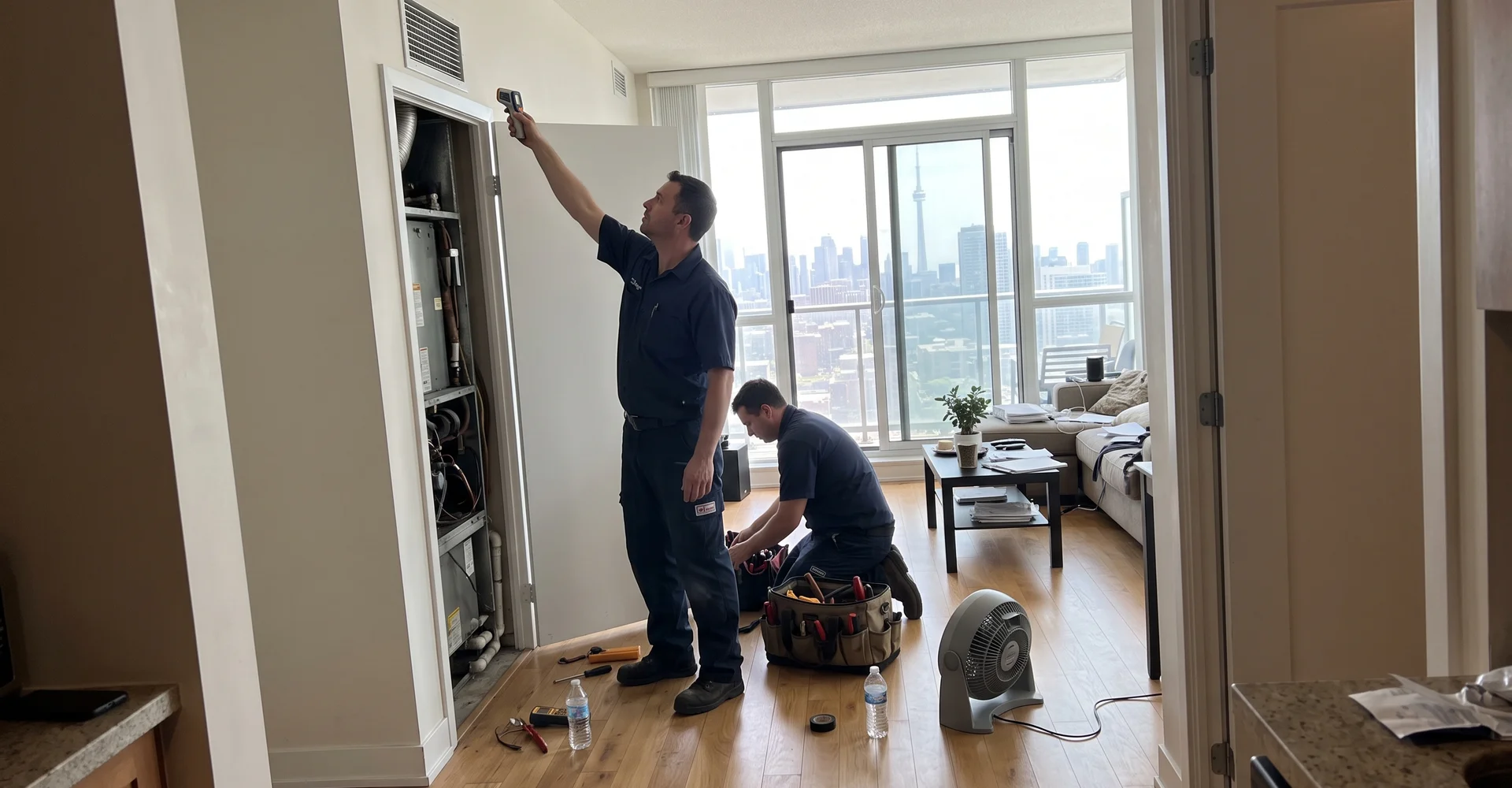
Our technicians often explain that most Toronto towers actually do a large part of the cooling work for you. Your suite equipment simply relies on what the central building system delivers.
Let’s walk through exactly how your setup works and how to get your space comfortable again.
Chilled-water buildings
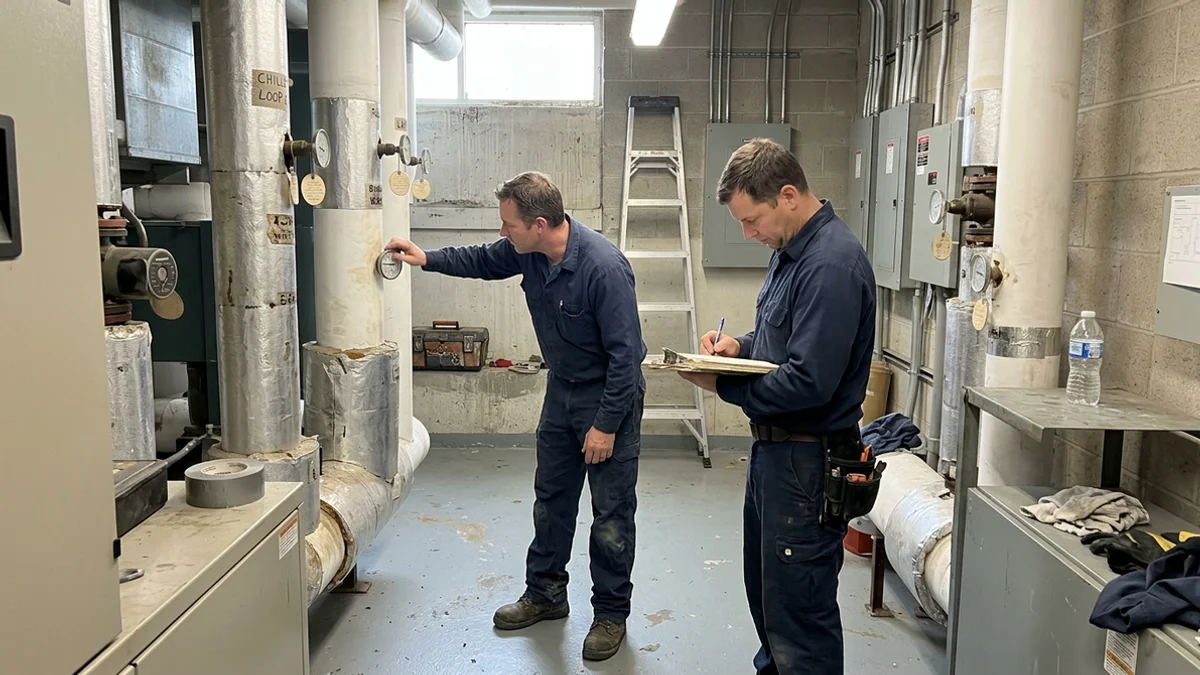
We frequently service towers built between the 1970s and the early 2000s that cool with a central chiller. The building sends chilled water up the risers, and your fan coil blows suite air across a coil filled with that water. There is absolutely no refrigerant located inside your unit.
Our team always checks if this water is cold and flowing properly, because that is the only way the coil cools. If the central water supply is warm, nothing in your closet can fix the issue. A common setup is the two-pipe building, where the same pipes carry hot water in winter and chilled water in summer.
We usually see the seasonal switchover happen in May, and the system switches back to heating in October. During these changeover weeks, many suites will be uncomfortable regardless of how well the unit functions. This uncomfortable shoulder season is a building scheduling issue rather than a broken part.
We look for a few common signs of a chilled-water issue:
- Warm air blowing: The building chiller might be off, or the local valve is stuck.
- Water leaks: A clogged drain pan is a leading cause of property damage in condos.
- Weak airflow: Our inspections frequently reveal that dirty filters restrict the cold air from circulating.
- Thermostat errors: The wall unit may not be sending the correct signal to the control valve.
- Motor failure: A failing blower motor will also stop the cold air from moving into your rooms.
Our policy is to tell you the truth about the building schedule rather than sell you an unnecessary part. Toronto actually updated the Indoor Temperature Standards Bylaw in 2026 to help manage this. Landlords and buildings providing cooling must maintain a maximum indoor temperature of 26 degrees Celsius from June 1 to September 30.
Water-source heat pump buildings
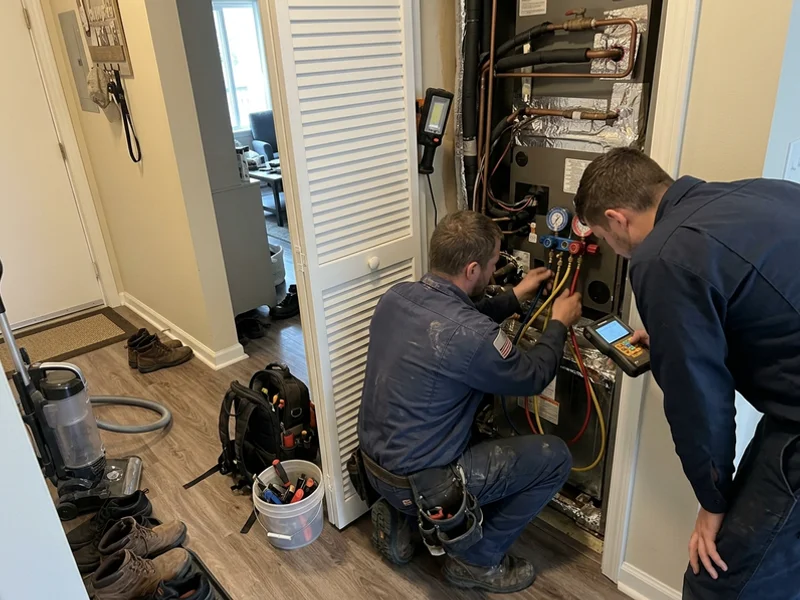
We often work in newer towers across North York, Mississauga, and Vaughan that use a water-source heat pump in each suite. The building loop stays at a moderate temperature year-round in these setups. Your specific heat pump uses its own compressor and refrigerant to pull heat out of the space and push it into the loop.
Our experts find that these systems typically last 10 to 15 years in Ontario before needing major replacements. Cooling problems in these buildings can originate from two completely different places. The issue might be inside your unit, or it could be a flow problem within the main building loop.
We created a simple breakdown to help you understand where the problem usually hides.
| Problem Source | Common Components | Typical Solution |
|---|
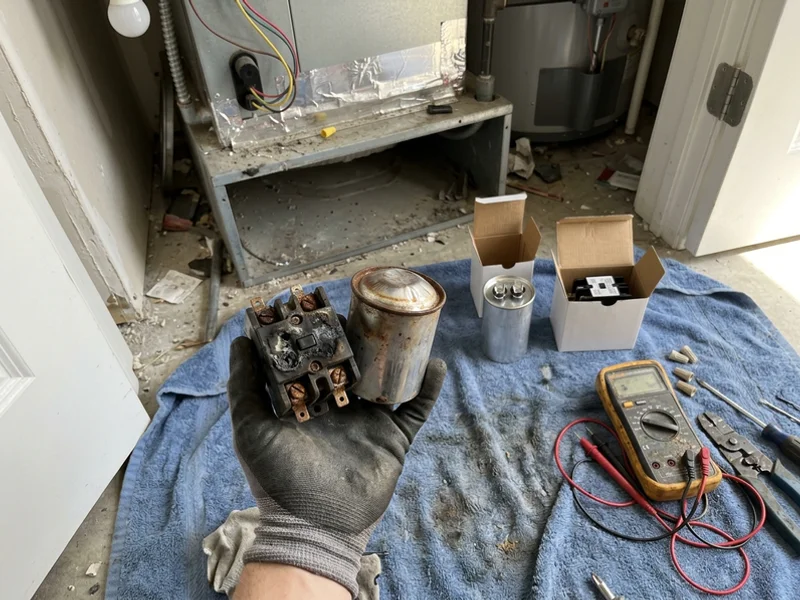
| Inside the Unit | Contactor, capacitor, reversing valve, refrigerant charge | A technician repairs or replaces the specific internal part. |
| Building Loop | Water flow, supply temperature, a clogged strainer | Property management must adjust the central water supply. |
A clogged strainer on the loop is one of the most frequent culprits. This blockage prevents the water from absorbing the heat from your unit.
Split systems
We sometimes service condo townhouses and boutique mid-rises that use a conventional split system with a condenser on a balcony or roof. These units behave exactly like standard residential air conditioners. Access rules and roof permits still apply in a strict condominium environment.
Our technicians always warn owners that property management holds strict control over exterior modifications. Placing a condenser on a balcony usually requires prior written approval from the condo board. You must also comply with municipal noise bylaws to avoid complaints from neighbors.
We recommend checking a few administrative details before scheduling a repair or replacement.
- Board approval: You must always verify that your balcony equipment meets the building’s aesthetic guidelines.
- Noise limits: Older condensers often exceed the acceptable decibel levels for shared living spaces.
- Insurance requirements: Our team always submits proof of liability insurance to the property manager before entering the roof.
- Building permits: Official documentation is frequently required for crane lifts if a rooftop unit needs replacing.
- Access paths: A clear hallway is mandatory so technicians can safely transport heavy equipment to your door.
What a proper diagnostic measures
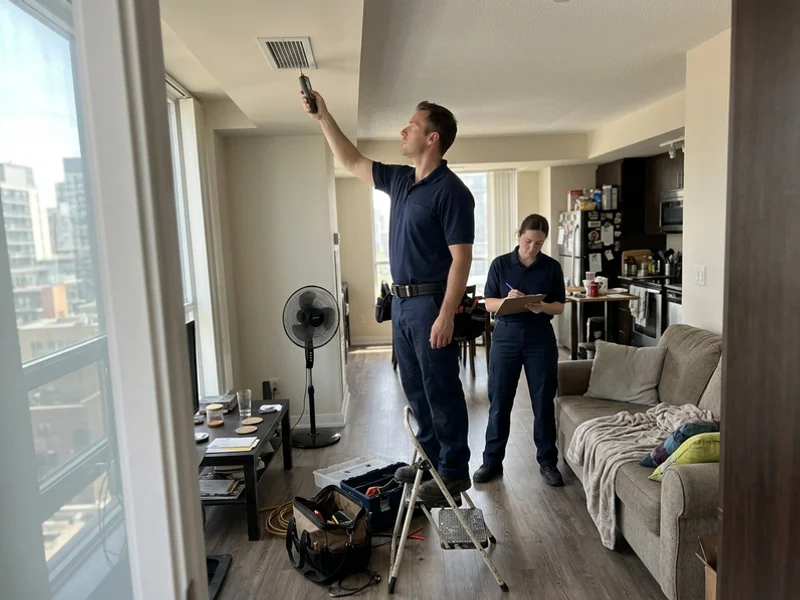
We believe that a proper diagnosis is the only way to solve a complex high-rise cooling issue permanently. Guessing at the problem leads to wasted money and lingering hot temperatures. A professional assessment provides the exact numbers required to pinpoint the failure.
Our complete diagnostic process measures several critical performance indicators.
- Supply water temperature: The water at the coil must be compared with what the building should be sending.
- Delta-T split: This shows the exact temperature drop across the evaporator coil to prove the unit is exchanging heat.
- Superheat and subcooling: Our technicians measure these on refrigerant systems to verify the charge and metering device are correct.
- Electrical components: The contactor, capacitor, relay, and thermostat signals are fully tested for continuity.
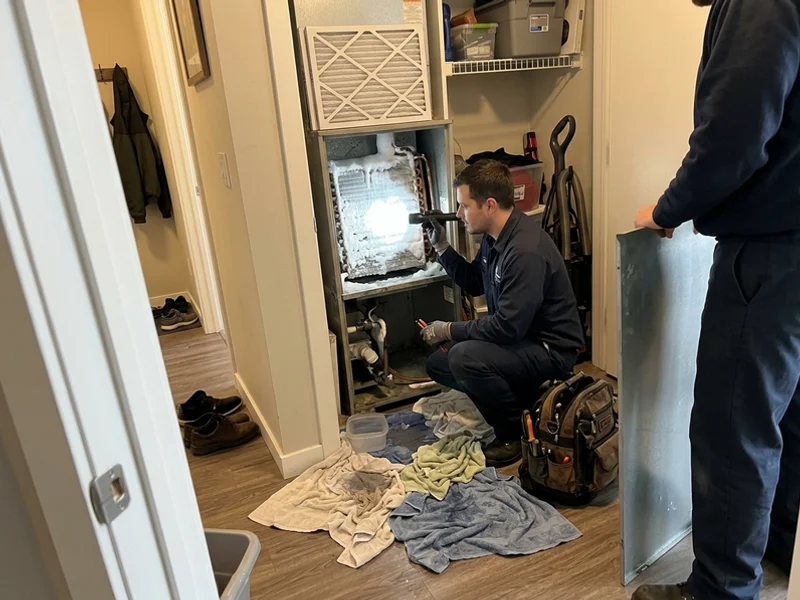
- Drain pans: Local drain connections are inspected to prevent costly water leaks into the suite below.
We provide these specific numbers in writing so your conversation with the property manager gets much easier. Either the unit is the problem and the technician fixes it, or the loop is faulty and the corporation has the data it needs to act. For more on who owns which part of the system, see our condo HVAC repair page, and for chilled-water units specifically, our fan coil repair service.
Ready to Restore Your Comfort?
We are ready to dispatch a qualified technician to assess your specific situation. Living without a reliable cooling system is simply not an option during a muggy summer. Fast and accurate Condo AC Repair will protect your property and help you sleep comfortably again.
Our friendly support staff is always just a quick phone call away. Reach out today to schedule your full diagnostic appointment.